

Introduction: Resolving Common Title Issues
Property title disputes are resolved by identifying the underlying issue—such as boundary discrepancies, liens, or conflicting ownership claims—and addressing them through title searches, legal actions, or mediation.
Those unfamiliar with the details involved in real estate transactions risk potentially significant legal or financial hurdles if they skip a title search.
Partnering with an expert like Title Search Direct eliminates the risk of overlooked details. Our quick and easy online ordering gets you an accurate and comprehensive title search in 3-7 days.
Key Takeaways:
- Boundary disputes often stem from outdated surveys or unclear descriptions.
- Conflicting ownership claims may arise due to errors or fraud in public records.
- Undisclosed liens or encumbrances can derail property transactions.
- Easements and right-of-way issues often lead to misunderstandings about property access.
- Resolving disputes typically involves professional help, such as title searches, legal actions, or mediation.
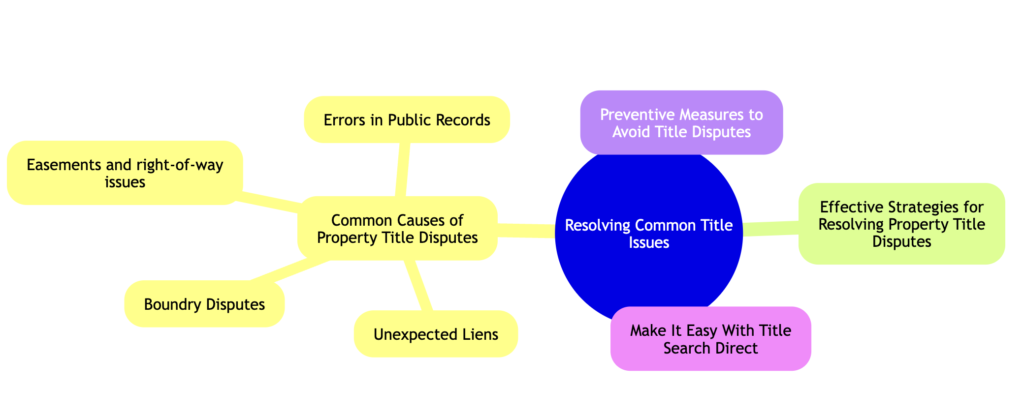
Table 1: Resolving Property Title Disputes
| Issue | Description | Resolution Methods | Preventive Actions |
| Boundary Discrepancies | Conflicts over unclear or outdated property lines. | Updated surveys, mediation, or legal action. | Regularly update surveys to reflect accurate boundaries. |
| Conflicting Ownership Claims | Multiple parties claiming ownership of the same property. | Conduct title searches, file quiet title lawsuits. | Verify ownership history and review property deeds before purchase. |
| Undisclosed Liens or Encumbrances | Hidden financial claims (e.g., unpaid taxes, contractor liens). | Resolve outstanding debts, obtain title insurance. | Perform a thorough title search to identify liens or encumbrances. |
| Easement and Right-of-Way Issues | Disputes over access rights or shared property use. | Clarify easement terms, consult legal professionals. | Review easements during the title search and consult real estate attorneys if needed. |
| Unrecorded Agreements | Verbal or informal property agreements causing confusion later. | Formalize agreements through legal documentation. | Use professionals to draft and record agreements in public records. |
| Errors in Public Records | Mistakes in ownership documentation or recording errors. | File corrective actions with relevant authorities. | Review all public records thoroughly before finalizing transactions. |
Common Causes of Property Title Disputes
Boundary Discrepancies
Boundary disputes happen when property lines are unclear or contested.
They often stem from outdated surveys, conflicting descriptions in deeds, or informal agreements between neighbors.
If two parties believe they own the same section of land, tensions can rise quickly.
Conflicting Claims of Ownership
Conflicting claims often occur when multiple parties believe they have legal rights to the same property.
These disputes can complicate transactions and ownership clarity. Typical reasons for this confusion are:
- Forged deeds: Fraudulent documents can lead to multiple parties believing they own the property.
- Family inheritance disputes: Misunderstandings or conflicts within families over inherited properties.
- Errors in public records: Mistakes in recording ownership changes can create confusion.
Undisclosed Liens and Encumbrances
Liens or encumbrances are financial claims or restrictions attached to a property.
They may remain hidden until a title search uncovers them – creating unexpected challenges for buyers.
- Tax liens: Unpaid property taxes result in government claims against the property.
- Homeowners Association (HOA) liens: Outstanding dues or fees to an HOA can lead to claims.
- Contractor liens: Unpaid contractors may file liens, delaying property transactions.
Easement and Right-of-Way Issues
Easements grant someone else the right to use a portion of a property for a specific purpose. Disputes can arise when easements are poorly defined or misunderstood.
Table 2: Common Types of Easements
| Type of Easement | Description | Impact on Ownership |
| Private Easement | Grants specific access to a neighbor or individual. | Limits exclusive property usage. |
| Public Easement | Allows government or utilities access. | May restrict development or use. |
| Utility Easement | Permits utility companies to install or maintain infrastructure. | Affects construction or landscaping plans. |
Effective Strategies for Resolving Property Title Disputes
Conducting a Thorough Title Search
A title search digs into public records to uncover potential problems like ownership conflicts, liens, or easements.
It’s the first step in identifying any red flags that could complicate a transaction.
Think of it as laying a solid foundation before moving forward.
Steps to Conduct a Title Search:
- Examine public property records: Look for deeds, mortgages, and past transfers of ownership.
- Check for liens: Identify unpaid taxes, HOA dues, or contractor claims.
- Review easements: Verify any rights granted to third parties.
- Hire a title company or professional: Get expert help for a detailed and accurate search.
Title Insurance
Title insurance shields buyers and owners from financial losses caused by unforeseen title issues.
It’s a safeguard for your investment, especially if disputes arise after the purchase is complete. (1)
Legal Actions: Quiet Title Lawsuits
A quiet title lawsuit is a court process used to clarify property ownership and resolve disputes.
It’s a direct and effective solution when other methods fall short.
Steps in a Quiet Title Action:
- File a lawsuit: Submit the case to a court with jurisdiction over the property.
- Notify all interested parties: Inform anyone who might have a claim to the property.
- Present evidence of ownership: Provide deeds, surveys, or other supporting documentation.
- Receive a court ruling: The court will issue a judgment declaring clear ownership.
- Update public records: Record the ruling to prevent future disputes.
Mediation and Arbitration
Mediation and arbitration are alternative dispute resolution methods that help settle property title disputes without the time and cost of litigation.
Both options involve neutral third parties to guide discussions and resolve conflicts.
Preventive Measures to Avoid Title Disputes
Regularly Updating Property Surveys
Property surveys need to be accurate and up-to-date because they define boundaries and clarify ownership.
An updated survey reduces the risk of disputes by clearly marking property lines and addressing potential overlaps.
Reviewing Property Records Before Purchase
Looking into a property’s history can save you from future headaches.
Examining public records can uncover hidden issues like unpaid taxes, liens, or conflicting ownership claims. Records to review before purchase include:
- Deeds: Verify ownership history and confirm there are no discrepancies.
- Mortgage records: Check for existing loans tied to the property.
- Liens: Identify any unpaid debts, taxes, or contractor claims.
- Easements: Understand if others have access rights to the property.
Consulting with Real Estate Professionals
When in doubt, turn to the experts.
Real estate transactions can be complex. Professionals like Title Search Direct bring the expertise needed to avoid mistakes that could lead to disputes.
Resolving Property Title Disputes With Title Search Direct
It is essential to conduct a thurough title search before buying real estate. There are simply too many risks associated with property ownership to buy without proper due diligence.
While you can try to do this on your own – a professional like Title Search Direct can save you time and frustration while delivering a comprehensive, 100% accurate title report.
Use our easy online ordering form to get started today! We are proud to provide comprehensive title searches within 3-7 days!
Reference:
(1) CFPB, What is Owner’s Title Insurance?, https://www.consumerfinance.gov/ask-cfpb/what-is-owners-title-insurance-en-164/